
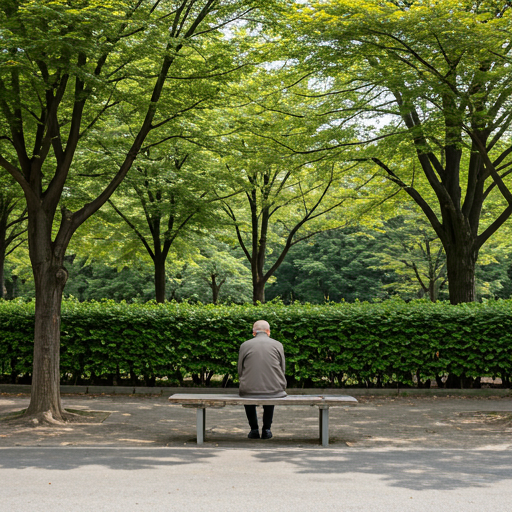
The Silent Loneliness of Urban Elders
When Cities Grow, Families Scatter — and Elders Are Left Behind
Urban migration has reshaped modern India. Young professionals move to cities — or abroad — chasing careers, education, and opportunity. While this shift fuels economic growth, it has quietly created an emotional vacuum at home.
Behind many apartment doors in metropolitan neighborhoods lives a generation that built the very foundation on which today’s success stands — now living alone.
This is the silent loneliness of urban elders.
A Growing Reality in Modern India
Cities like Mumbai, Delhi, Bengaluru, and Pune are filled with senior citizens whose children live in other cities or countries. What was once a joint family structure has gradually transitioned into nuclear living.
For many elders, this means:
- Limited daily conversation
- Irregular social interaction
- Reduced physical mobility
- Delayed medical attention
- Emotional isolation despite financial stability
Loneliness is not always visible. It does not always manifest as sadness. Sometimes, it appears as silence, withdrawal, or loss of enthusiasm for life.
Loneliness Is a Health Risk
Research globally has shown that prolonged social isolation can increase risks of:
- Depression and anxiety
- Cognitive decline
- High blood pressure
- Poor medication adherence
- Increased fall risk
When elders live alone, small health concerns can escalate simply because no one notices them early.
The issue is not only emotional — it is structural.
Why Professional Eldercare Is Becoming Essential
Professional eldercare is no longer a luxury. In urban environments, it is increasingly a necessity.
Structured caregiving provides:
- Safety and Supervision
- Medication reminders
- Fall prevention
- Emergency response readiness
- Health monitoring
- Companionship and Engagement
- Meaningful conversations
- Encouragement to maintain routines
- Assistance with hobbies and daily activities
- Emotional reassurance
- Family ConfidenceFor children living away, professional care bridges the distance with transparency, updates, and structured support.
Care does not replace family. It strengthens the family system.
Beyond Assistance: Preserving Dignity
Urban elders do not want sympathy. They want respect, autonomy, and connection.
Professional caregiving, when done correctly, protects dignity while offering assistance. It encourages independence wherever possible and steps in only where necessary.
The goal is not dependency — it is confident aging.
The Responsibility of a Changing Society
As India urbanizes rapidly, eldercare must evolve alongside it. The question is no longer whether elders can “manage alone.”
The real question is:
Are they living safely, socially connected, and with dignity?
Silence inside a home should not mean neglect.
Conclusion
Urban migration may separate families physically, but it does not have to create emotional or safety gaps.
Professional eldercare ensures that elders living alone are not truly alone — that their days are structured, their health monitored, and their emotional well-being nurtured.
Because aging in a city should not mean aging in isolation.
At Six Sigma Eldercare Pvt. Ltd., we believe every elder deserves not just longer life — but connected, dignified living.


