
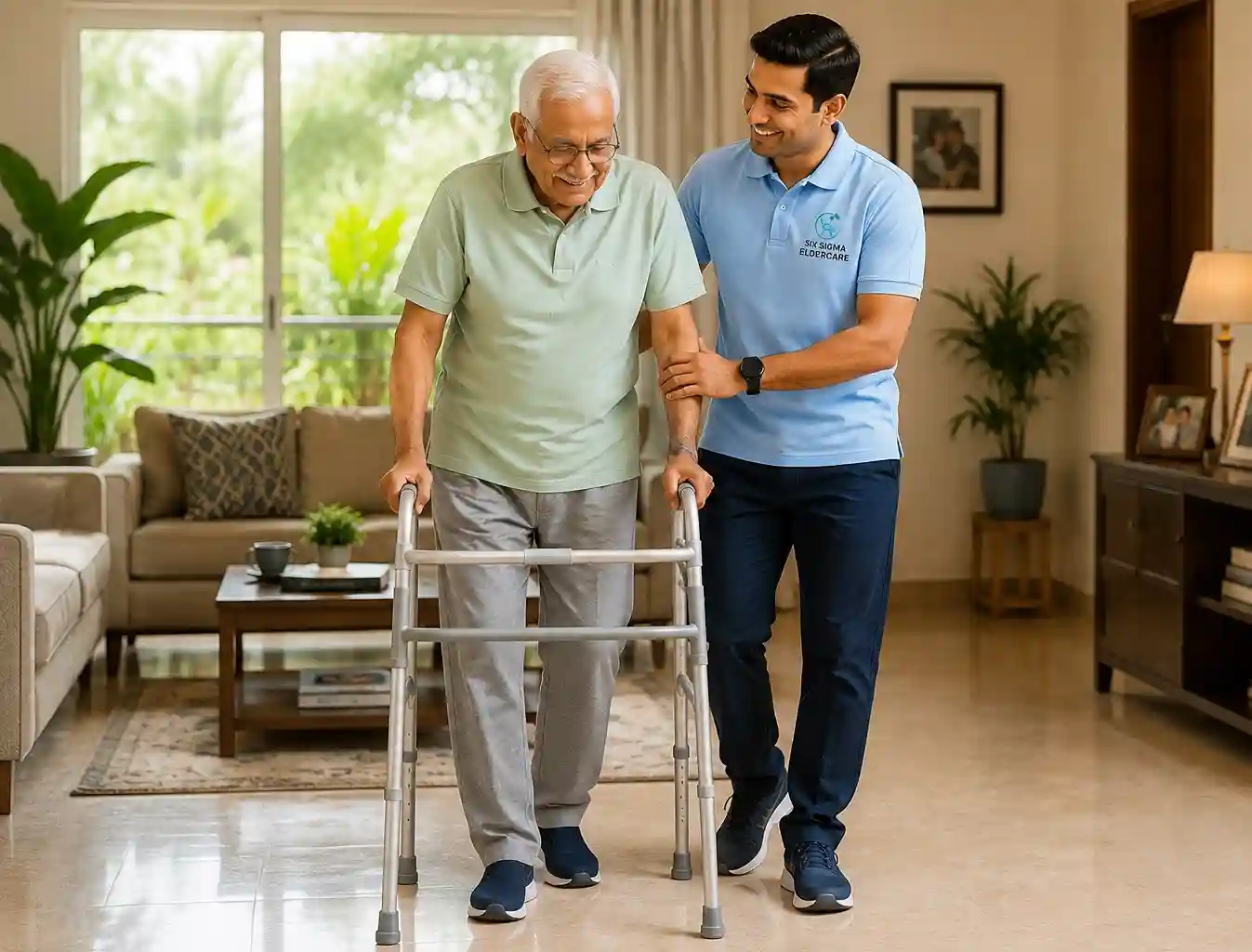
Double Knee Surgery (Bilateral Knee Replacement) in Elderly Patients: Recovery, Home Care & Why Professional Support Matters
Double Knee Surgery, also known as Bilateral Knee Replacement Surgery, is one of the most effective treatments for elderly individuals suffering from severe arthritis, chronic knee pain, joint deformity, or significantly reduced mobility. By replacing both knee joints during the same surgical session or in a planned staged approach, seniors can regain mobility, reduce pain, and improve their overall quality of life.
While advances in orthopedic surgery have made bilateral knee replacement safer and more successful than ever, the surgery itself is only the first step. The quality of recovery depends heavily on rehabilitation, physiotherapy, nutrition, and consistent support at home. This is where professional Patient Care Services play a vital role.
For families searching for reliable homecare solutions, understanding the importance of post-surgery care can make a significant difference in ensuring a faster, safer, and more comfortable recovery for their loved ones.
What Is Double Knee Surgery?
Double Knee Surgery, medically known as Bilateral Knee Replacement, involves replacing both damaged knee joints with artificial implants. Orthopedic surgeons recommend this procedure when both knees are severely affected by osteoarthritis or other degenerative joint diseases.
The surgery is commonly advised when:
- Severe pain limits daily activities
- Walking becomes difficult even with support
- Medicines and injections no longer provide relief
- Both knees are equally damaged
- The patient is medically fit for surgery
Many elderly patients choose bilateral surgery because it avoids undergoing two separate operations and two separate recovery periods.
Why Do Seniors Need Bilateral Knee Replacement?
As people age, the protective cartilage inside the knee gradually wears away. This leads to pain, stiffness, swelling, reduced movement, and difficulty performing everyday tasks such as walking, climbing stairs, or getting up from a chair.
Common medical conditions requiring bilateral knee replacement include:
- Osteoarthritis
- Rheumatoid arthritis
- Degenerative joint disease
- Joint deformity
- Chronic knee pain
- Severe stiffness
Without timely treatment, mobility continues to decline, often affecting both physical and emotional well-being.
Recovery After Double Knee Surgery
Recovery varies depending on age, overall health, and commitment to rehabilitation. However, most elderly patients follow a predictable recovery timeline.
First Week
Immediately after surgery, the focus is on:
- Pain management
- Swelling reduction
- Safe transfers from bed
- Standing with assistance
- Beginning physiotherapy
- Preventing blood clots
During this stage, Patient Care Services provide valuable support by assisting with mobility, medication reminders, hygiene, and monitoring the patient’s condition.
Weeks Two to Six
Patients gradually become stronger and begin regaining confidence.
Recovery includes:
- Improved walking distance
- Better knee movement
- Muscle strengthening
- Reduced swelling
- Greater independence in daily activities
Regular physiotherapy combined with experienced Patient Care Services helps maintain consistency and reduces the risk of complications.
Two to Three Months
Most seniors can:
- Walk independently or with minimal support
- Climb stairs comfortably
- Resume light household activities
- Sleep with significantly less pain
- Enjoy improved quality of life
Complete recovery may continue for six months to one year, depending on the individual.
Why Post-Surgery Care Is Critical
Many people believe the operation alone determines the success of knee replacement surgery. In reality, recovery depends just as much on the quality of care received after discharge.
Effective post-operative care includes:
- Safe movement and transfers
- Medication management
- Wound monitoring
- Physiotherapy support
- Nutritional guidance
- Personal hygiene
- Emotional encouragement
- Fall prevention
- Regular health monitoring
Professional Patient Care Services ensure that each of these aspects is managed consistently, especially when family members have work commitments or live in another city or country.
Common Challenges After Bilateral Knee Replacement
Pain Management
Some discomfort is expected after surgery. Timely medication, proper positioning, and ice therapy help control pain effectively.
Swelling
Swelling usually reduces over several weeks with elevation, gentle exercises, and regular movement.
Fear of Walking
Many elderly patients hesitate to walk because they fear pain or falling. Trained caregivers provide reassurance and supervised mobility, helping patients regain confidence.
Risk of Falls
The first few weeks after surgery carry a higher risk of falls due to weakness and balance issues. Patient Care Services focus on safe walking techniques and creating a secure home environment.
Emotional Well-being
Recovery can sometimes feel slow, leading to anxiety or frustration. Compassionate caregivers provide emotional support and companionship, which positively impacts recovery.
Why Home Recovery Is Often the Best Choice
Recovering at home offers several benefits:
- Greater comfort
- Lower risk of hospital-acquired infections
- Better emotional well-being
- Familiar surroundings
- Family involvement
- Improved sleep quality
However, home recovery is successful only when appropriate support is available. This is why many families rely on professional Patient Care Services to ensure continuous assistance throughout rehabilitation.
How Professional Caregivers Help
Experienced caregivers provide assistance with:
- Walking and mobility
- Transfers between bed and chair
- Personal hygiene
- Bathing and grooming
- Dressing
- Medication reminders
- Blood pressure monitoring
- Meal preparation
- Hydration
- Exercise supervision
- Physiotherapy coordination
- Companionship
Reliable Patient Care Services help seniors recover safely while giving family members peace of mind.
The Importance of Physiotherapy
Physiotherapy begins shortly after surgery and continues for several weeks or months.
Regular exercises help:
- Improve knee flexibility
- Increase muscle strength
- Reduce stiffness
- Improve balance
- Restore normal walking
- Build confidence
Professional caregivers often assist patients in following prescribed exercise routines, making Patient Care Services an essential part of successful rehabilitation.
Nutrition for Faster Healing
Good nutrition plays a major role in recovery.
A balanced diet should include:
- Protein-rich foods
- Calcium
- Vitamin D
- Iron
- Fresh fruits
- Green vegetables
- Adequate fluids
Proper nutrition supports wound healing, strengthens muscles, and improves immunity.
Making the Home Safe After Surgery
Before the patient returns home, families should prepare the environment.
Simple modifications include:
- Installing grab bars
- Removing loose rugs
- Keeping walkways clutter-free
- Using anti-slip bathroom mats
- Ensuring good lighting
- Raising toilet seats if necessary
- Keeping frequently used items within easy reach
These measures significantly reduce the risk of falls during recovery.
Warning Signs That Require Immediate Medical Attention
Contact your doctor immediately if the patient develops:
- High fever
- Increasing redness around the surgical wound
- Excessive swelling
- Persistent bleeding
- Chest pain
- Difficulty breathing
- Severe calf pain
- Sudden worsening of pain
Early medical intervention can prevent serious complications.
Why Families Choose Professional Homecare
Recovering from Double Knee Surgery requires patience, consistency, and skilled support.
Professional Patient Care Services help by:
- Providing trained caregivers
- Assisting with daily rehabilitation
- Supporting mobility and exercise
- Reducing family caregiver stress
- Monitoring recovery progress
- Offering compassionate companionship
This support is especially valuable for elderly couples living alone and families whose children reside outside the city or overseas.
Six Sigma Eldercare – Trusted Post-Surgery Home Care
At Six Sigma Eldercare, we understand that recovery does not end when the patient leaves the hospital.
Our trained caregivers provide compassionate Patient Care Services designed specifically for elderly patients recovering from Double Knee Surgery, Hip Replacement Surgery, fractures, stroke, Parkinson’s disease, dementia, and other age-related conditions.
Our services include:
- 12-hour and 24-hour caregiver support
- Elder care at home
- Post-surgery rehabilitation assistance
- Mobility and transfer support
- Personal hygiene assistance
- Medication reminders
- Vital signs monitoring
- Companionship
- Physiotherapy coordination
- Home safety guidance
We proudly serve families across Gurgaon, Delhi, Noida, Faridabad, Ghaziabad, and the Delhi NCR region, helping seniors recover safely in the comfort of their homes.
Conclusion
Double Knee Surgery can transform the lives of elderly patients by relieving chronic pain, restoring mobility, and improving independence. However, the journey to complete recovery depends on much more than a successful operation. Consistent rehabilitation, physiotherapy, proper nutrition, emotional encouragement, and professional support all contribute to better outcomes.
Choosing experienced Patient Care Services ensures that seniors receive safe, compassionate, and structured assistance throughout every stage of recovery. With the right care, elderly patients can heal faster, regain confidence, and return to living an active and fulfilling life in the comfort of their own home.
If your loved one is recovering from Double Knee Surgery or Bilateral Knee Replacement, Six Sigma Eldercare is committed to providing dependable homecare solutions that prioritize dignity, safety, and compassionate care every step of the way.
References:
- American Academy of Orthopaedic Surgeons (AAOS)
- Topic: Total Knee Replacement, recovery, rehabilitation, and patient education.
- https://orthoinfo.aaos.org/en/treatment/total-knee-replacement/
- American Association of Hip and Knee Surgeons (AAHKS)
- Topic: Knee replacement surgery, recovery timelines, rehabilitation, and post-operative care.
- https://hipknee.aahks.org/
- Mayo Clinic
- Topic: Knee replacement surgery, risks, recovery, rehabilitation, and home care guidance.
- https://www.mayoclinic.org/tests-procedures/knee-replacement/about/pac-20385276


